
How to Start an Art Collection (Without Spending Thousands)
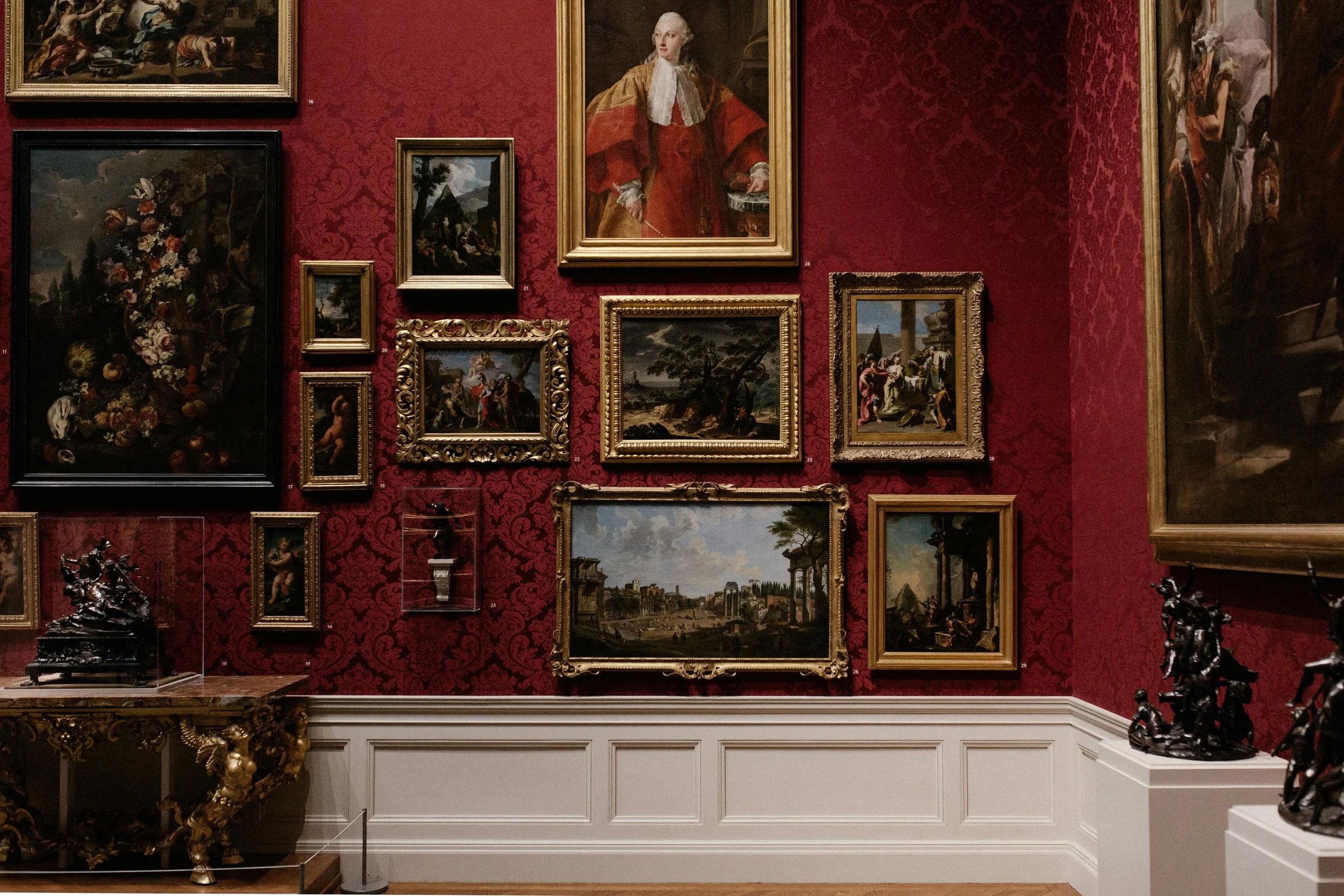
Collecting has always carried a certain mystique. The word alone suggests deep pockets and extravagant rooms full of amazing items. For first-time buyers, that mythology can feel distancing. It implies that collecting begins at a high financial altitude. It does not.
In practice, collecting usually begins with something small, specific, and slightly personal. A poster that feels right for your wall. A print that reminds you of a place you’ve been. A ceramic object that makes you pause for a second longer than expected. Auctions are not just where major works change hands. They are also where these smaller, more approachable objects quietly circulate. And that is how most savvy collectors actually begin.
The Myth of the Expensive First Step
One of the biggest misconceptions about auctions is that participation requires thousands of dollars. While high-profile lots attract attention, auction catalogs are layered. Alongside standout pieces are entry-level works, decorative arts, prints, photographs, design objects, and curiosities that carry far more accessible estimates. For a new collector, this range is not incidental. It is an opportunity.
Starting small is not a compromise, it’s a strategy. Lower-value lots allow you to participate without pressure. They give you space to learn how bidding behaves, how estimates relate to final prices, and how quickly enthusiasm can escalate in a room. That education is worth more than any single purchase. There is also something quietly empowering about realizing that collecting is not reserved for a financial elite. It is simply the act of choosing objects intentionally over time.
Start With What You’d Actually Want to Live With
Early collectors often overthink their first purchase. They worry about resale value, long-term appreciation, and whether an object is “serious” enough. While those considerations have their place, they can also paralyze decision-making.
A more useful question is simpler: Would you enjoy living with this?
Posters and prints are particularly good starting points because they offer visual impact without overwhelming cost. Small design pieces or decorative objects can add character to a space while remaining financially manageable. These categories support experimentation. They allow you to refine your taste without overcommitting.
If an object would still make sense in your home even if its market value never increased, it is a strong first acquisition. That mindset removes pressure and replaces it with clarity. Collecting built on genuine interest tends to endure. Collecting based on speculation often invites failure.
Watch Before You Bid
Auctions are unusually transparent environments. Estimates are published in advance. Condition reports are available. Past results exist. You are not asked to trust vague enthusiasm; you are given data. For beginners, this transparency is invaluable.
Before placing your first bid, spend time observing. Follow a sale from start to finish. Notice how some lots open at the low estimate and climb steadily. Others jump quickly as competing bidders signal strong interest. Some sell quietly within range. This observation phase costs nothing but time, and it builds confidence. It also reveals an important truth: not every lot becomes a battle. Many sell rationally, within predictable parameters. Understanding this reduces anxiety. Auctions begin to feel less indecipherable and more like a structured marketplace.
Set a Maximum
Ask an experienced bidder for advice and the answer is remarkably consistent: decide your maximum before the bidding starts.
That number should include the hammer price plus buyer’s premium, and any applicable taxes and fees. Write it down if necessary. The psychology of auctions is subtle. Momentum can create a sense of urgency. A competing bidder can feel like a personal challenge. Without a predetermined limit, it is easy to justify incremental increases in the moment.
Preparation interrupts that impulse. You approached the process deliberately. Even losing a lot can be instructive. It shows you where the market currently stands and whether your instincts align with broader demand. Over time, that alignment sharpens.
Let the Market Teach You
One of the most underappreciated aspects of auctions is their educational function. Each sale produces information. Final prices, bidding patterns, and category performance all contribute to a visible record.
For younger buyers accustomed to researching everything from restaurants to rental prices, this data-driven environment feels familiar. You can compare outcomes across sales. You can track how similar works perform. You can observe which categories consistently attract attention. This is real-time feedback.
That feedback gradually replaces uncertainty with context. Instead of wondering whether a price is fair, you begin to recognize when it aligns with precedent. Instead of fearing overpayment, you understand how competition shapes value. Confidence at auction rarely comes from bravado. It comes from repetition and pattern recognition.
Avoid the “Investment First” Trap
There is a tendency, particularly among new collectors, to frame every purchase as a potential investment. While art and collectibles can appreciate in value, approaching the auction room solely through that lens can distort judgment.
The strongest early collections are not built on speculation. Curiosity is an important aspect. Buying something because you find it compelling creates a different relationship with the object. It shifts the focus from future resale to present enjoyment. If financial appreciation occurs, it is a welcome outcome. If it does not, the object still holds meaning.
This approach also reduces pressure. Instead of searching for certainty in an uncertain market, you allow room for personal evolution. Tastes change. Interests deepen. What begins with a single item can gradually expand into a focused collection.
Participation Over Perfection
Another misconception is that successful collecting requires immediate expertise. In reality, most seasoned collectors developed their knowledge incrementally. They made modest purchases. They refined their interests. They learned from both wins and near-misses. Auctions support this incremental growth.
Because auctions occur on a schedule, they create regular opportunities to engage. You can bid selectively. You can skip categories that do not interest you. You can revisit familiar areas and watch how they evolve. This rhythm encourages participation without demanding perfection. Each sale becomes part of an ongoing education.
For younger buyers in particular, this flexibility matters. You are not committing to a single aesthetic identity. You are exploring. Auctions accommodate that exploration without requiring allegiance to a particular dealer or trend.
A Practical Way In
At their core, auctions are structured systems designed to match willing buyers with willing sellers. The rules are clear. The timelines are defined. The outcomes are public. For a first-time buyer, that structure is reassuring.
You register. You review the catalogue. You examine condition reports. You set a maximum. You bid, or you do not. The process is finite. There is no prolonged negotiation or lingering uncertainty.
Within that framework, starting small is not only possible; it is sensible. Posters, prints and contemporary art, provide a manageable way to step into the market. They allow you to test your instincts, refine your budget discipline, and experience the pace of bidding firsthand. Collecting does not begin with thousands of dollars, it begins with your attention.
Pay attention to:
What draws you in
Estimates and results
Your own personal limits
The rest tends to follow, gradually and quietly, one considered purchase at a time. If you’re interested in more tips on how to buy at auction, read more helpful tips here. And don’t forget to check out our upcoming auctions, we’re sure there’s something (or somethings) in there you’ll want to start your collection with.
FAQs
-
You can begin with a modest budget. Many entry-level lots, especially posters, prints, contemporary art and decorative objects, fall within accessible price ranges.
-
A buyer’s premium is an additional percentage added to the final hammer price. This covers the auctioneer’s costs. Always factor this into your maximum bid.
-
Set a firm maximum hammer price before bidding begins.
-
Yes, losing teaches you about the market. You may even lose more than a few. But that will make your first win even sweeter.
-
Start with objects you genuinely enjoy and would be happy to live with. Your taste and strategy develop naturally over time.