
Contemporary Art: Why Buy It and What To Look For
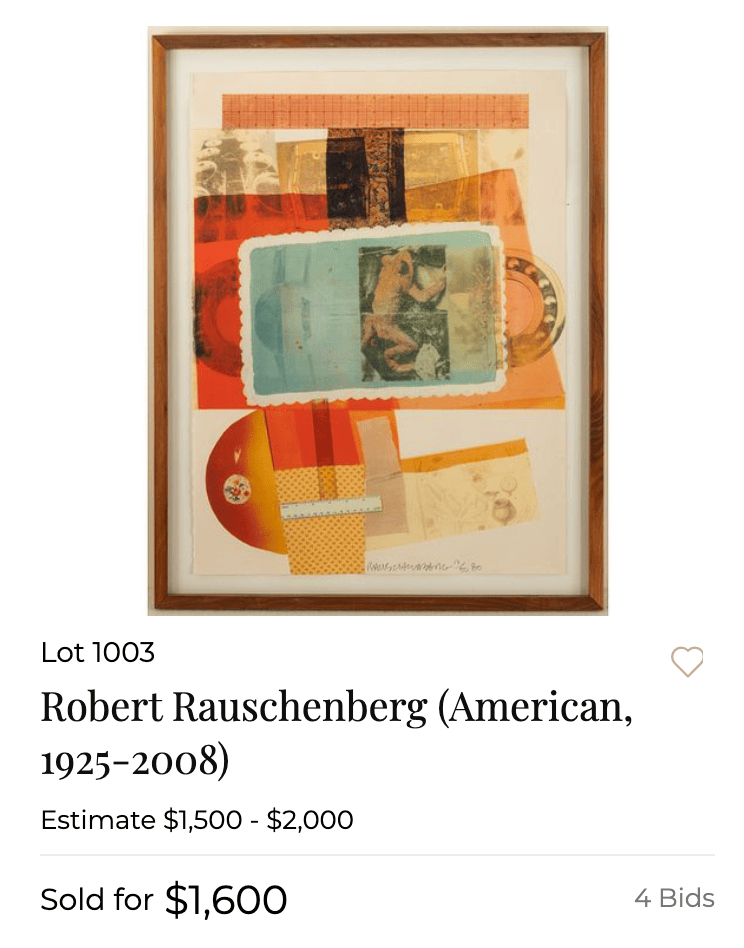
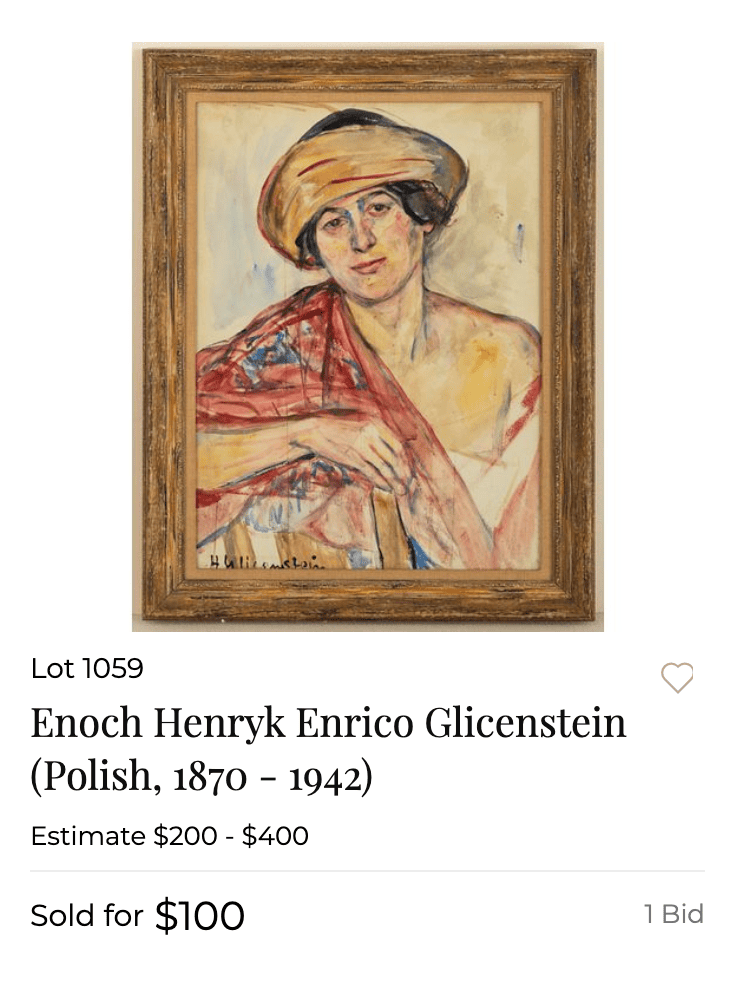
Contemporary art has a reputation for making people wonder if something is really considered art. And sometimes, that’s exactly the point.
But really, contemporary art is less mysterious than it sounds. In the simplest terms, it is art being made by living artists today, across painting, sculpture, photography, furniture, digital media, and anything else an artist can convince us to look at differently. Think of it as “the art of now,” reflecting the identities, technologies, tensions, and dreams of the world we’re currently living in.
So, contemporary art is not one particular look. It is the art being made during this same strange historical moment, when we are all trying to measure, track, and optimize everything.
Why Is Contemporary Art Important?
Contemporary art gives us a record of the present that’s far more interesting than a spreadsheet. Artists respond to the world around them, whether that means politics, popular culture, personal experience, or simply the fact that humans continue to be fascinated by making things and then arguing about them. Contemporary art tries to document what a particular moment felt like, not just what happened.
It also makes the viewer ask questions. Sometimes those questions are obvious. Sometimes they are hidden somewhere beneath a pile of fabric, paint, or found objects. Contemporary artwork doesn’t want to give you an answer; it wants to make you curious, uncomfortable, amused, nostalgic, confused, or all five before your morning coffee.
The important thing is that it gives you something to think about.
Why Buy Contemporary Art?
Buying contemporary art means bringing the present into your collection, rather than waiting several hundred years for someone to declare it important.
You can follow an artist’s career, see how their work changes, and encounter pieces from an earlier point in that artist’s development. You’re buying a small piece of the cultural context in which it was made. And unlike a historical painting that has already spent 300 years having a biography written about it, contemporary art is still developing its story.
Contemporary Art Has Become a Major Part of the Market
The contemporary art market has changed dramatically over the past two decades. Between 2000 and 2020, contemporary art auction turnover increased by 2,100% (Artprice) and grew to account for 15% of global fine-art auction turnover. And while that doesn’t mean every contemporary artist will suddenly become the next household name (nor would we recommend anyone buy art based solely on the hope that it will appreciate), the growth of the contemporary market means there are more artists, collectors, institutions, and auctions paying attention to work made right now.
You Can Support Living Artists
There is also something particularly satisfying about buying from artists who are alive and making work today. Contemporary art lets collectors participate in an artist’s career while it's happening. And you get to confidently develop your own opinion before a museum label tells you what you are supposed to think.
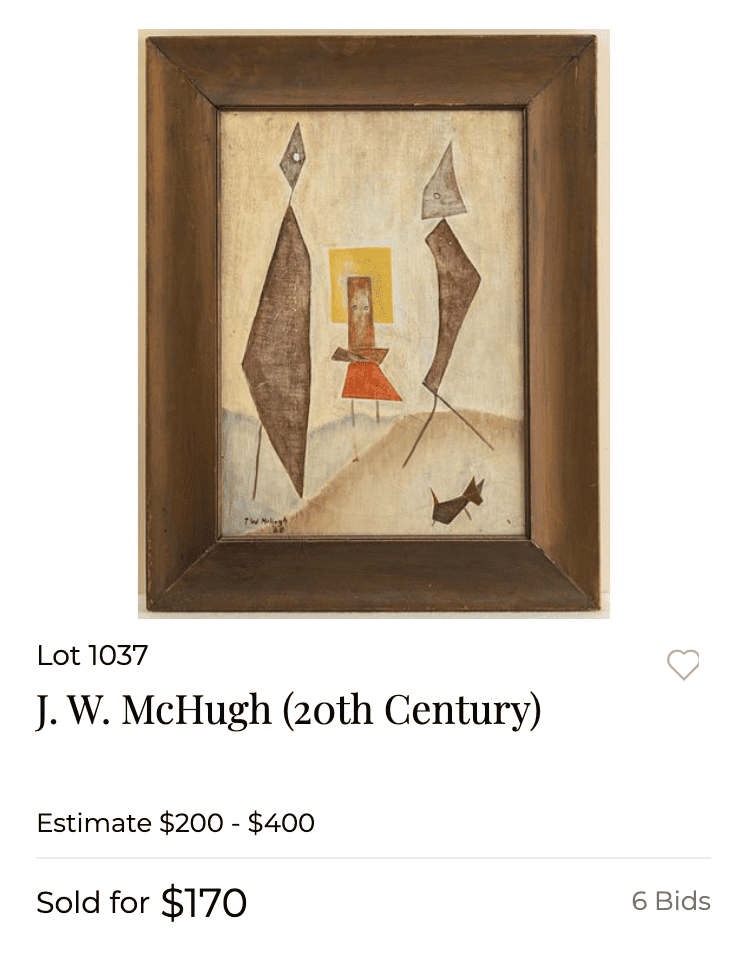
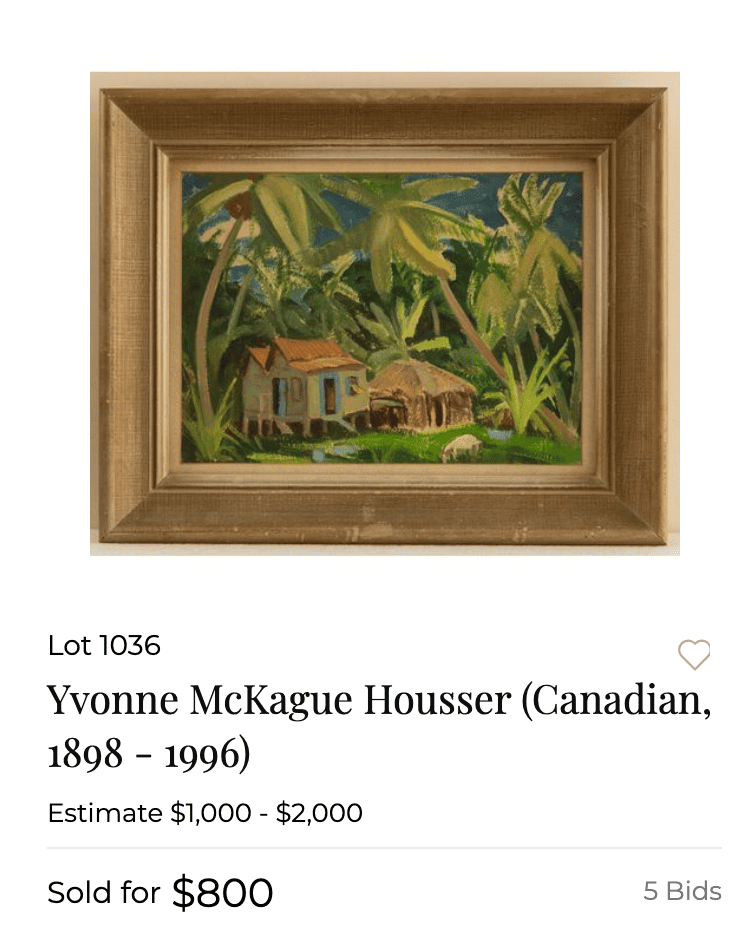
Where Can You See Contemporary Art in Ohio?
Ohio has a strong contemporary art scene, including the Museum of Contemporary Art Cleveland (moCa to those in the know) and The Contemporary Arts Center in Cincinnati. Their exhibitions span painting, sculpture, installation, photography, and other contemporary practices, including work by artists living and working throughout Ohio.
Supporting Ohio's contemporary art scene means supporting more than the artists themselves. Museums give artists places to exhibit, and audiences places to encounter new work, while collectors help create demand for art being made here and now. Galleries, museums, artists, collectors, and curious people wandering into an exhibition all play a part in keeping a local art scene moving. Contemporary art does not become part of a community by itself. Someone has to make it, someone has to show it, and someone has to stop and look.
What Should You Look for When Buying Contemporary Art?
This is where things get practical. Here is what to look for when buying contemporary art at auction or online.
1. Start With the Work, Not the Trend
The first question is simple: Do you actually like looking at it?
Contemporary art covers an enormous range of styles, from abstraction and conceptual art to realism, street art, sculpture, and everything in between. You don't need to know which movement you are looking at before deciding you want to live with it.
Trends come and go. What you wake up to and look at on your walls every day is less so.
2. Learn About the Artist
Once something catches your attention, investigate the artist. Look at their biography, exhibition history, medium, subject matter, and broader body of work. See whether the piece makes sense within their practice. An artist's career and market context can provide useful information, creating a story that enriches your overall enjoyment of the piece.
3. Check the Details of the Artwork
This is the part where enthusiasm meets reality. Look at the medium, dimensions, date, condition, signature, provenance, and any available documentation. Consider how the work was made and whether its materials require particular care.
And measure your wall.
This sounds obvious until the artwork arrives and everyone discovers that “large” is subjective.
4. Understand the Estimate and Price
Before bidding, look at the estimate, ask for a condition report, and factor in the buyer’s premium. The estimate reflects the specialist’s view of the item's current fair-market value based on factors such as the artist, condition, provenance, medium, size, and market history. Competitive bidding then sets the hammer price, subject to the auction's terms and reserve.
The important distinction is that an auction estimate is not a promise about what something will be worth tomorrow. Which is one more reason to buy a piece because you enjoy it, not for its price tag alone.
Contemporary Art Is History in the Making
Contemporary art captures the world while we are still living in it. It records the questions, obsessions, arguments, technologies, and cultural moments that will eventually become someone else’s art history lesson. Buying it means you get to live with that history while it is still being made.
Whether you are drawn to something because it is strange, challenging, funny, deeply personal, or because you simply cannot stop looking at it, you don’t need an art history PhD to trust that instinct. Start with curiosity, check the details, and then decide whether it belongs in your collection.
At Gray’s Auctioneers, contemporary art appears alongside fine art, jewelry, decorative arts, and other treasures, giving collectors the chance to discover work from artists at different points in their careers. Browse Gray’s upcoming auctions and see what’s worth a second look.
FAQs
What makes a piece of art contemporary?
Contemporary art is generally art made by living artists in the present era. It can include painting, sculpture, photography, installation, digital art, performance, and many other forms. There is no single contemporary style.
Is contemporary art a good investment?
Contemporary art has become a major part of the global art market, but no artwork is a guaranteed financial investment. It’s better to think of art as an investment in your pleasure. Market history and valuations can provide context, but you should consider your own reasons for buying.
What should I look for when buying contemporary art?
Start with your response to the artwork, then research the artist and verify the work's medium, dimensions, condition, provenance, documentation, valuation, and purchase terms. In short: trust your eye, then do your homework.